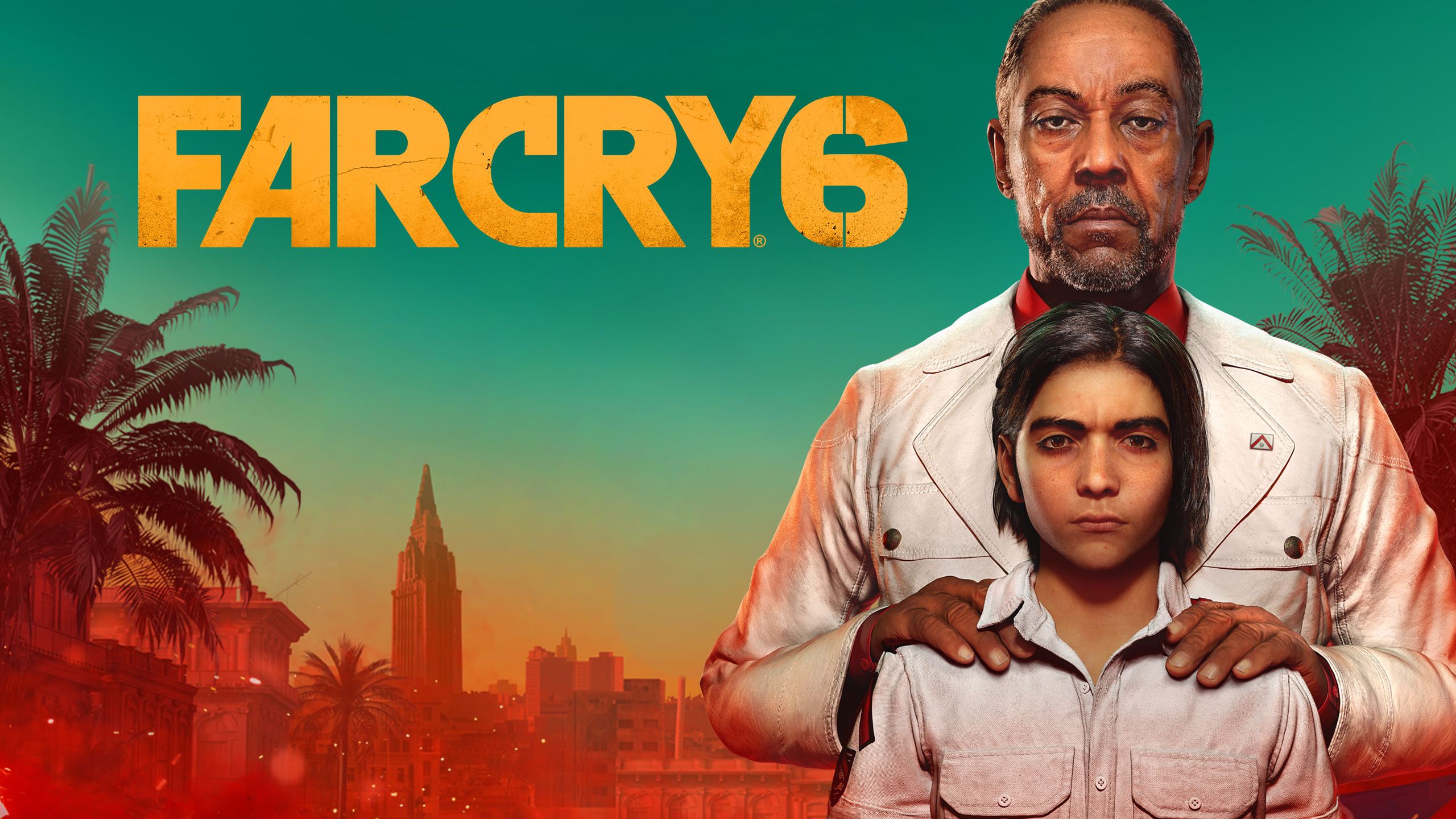
Is Far Cry 6 Yara Cuba? Understanding the Setting and Inspiration
Discover if Far Cry 6 is set in real-life Cuba or a fictional world. Explore how Yara captures the spirit of the Caribbean in this Ubisoft masterpiece.
Published:
Table of Contents
When you first step onto the tropical shores of the Caribbean island in Ubisoft's latest shooter, you might find yourself asking: far cry 6 is yara cuba or does cuba exist separately? While the vibrant streets, vintage cars, and revolutionary atmosphere feel remarkably authentic, the truth is more nuanced than a simple map location.
Understanding whether far cry 6 is yara cuba or does cuba exist separately is crucial for players who want to immerse themselves fully in the game’s complex political narrative. Yara is a fictional nation, carefully crafted by the developers at Ubisoft Toronto to reflect the history and spirit of Caribbean revolutions, particularly the Cuban Revolution, without being a direct replica.
The World of Yara: A Fictional Caribbean Jewel
Yara is designed as a "frozen in time" island nation, isolated from the rest of the world for over 50 years. This isolation is a key narrative device that explains why players encounter 1950s-era vehicles side-by-side with modern guerrilla technology. According to the game's creative team, they drew inspiration from various Caribbean islands to build a world that feels lived-in and historically grounded.
Feature
Yara (Far Cry 6)
Real-World Context
Sovereignty
Fictional Island Nation
Sovereign Nations (e.g., Cuba)
Antagonist
Antón Castillo
Inspired by dictators like Batista
Setting
2021
Modern era with retro aesthetics
Influence
Pan-Caribbean & Cuban History
Historical events (1953–1959)
The team spent significant time researching local landscapes, colonial architecture, and the spirit of "Resolver"—a uniquely Cuban concept of improvising solutions—to ensure the world of Yara felt authentic. While it draws heavily from reality, it remains a separate entity in the Far Cry universe.
Why the Confusion? The Power of "Resolver"
The term "Resolver" is central to the gameplay experience. In the real world, it represents the Cuban spirit of ingenuity born from necessity. In Far Cry 6, this has been turned into a core mechanic: weapon customization. Players use everything from scrap metal to household items to build powerful tools of chaos against Antón Castillo’s regime.
Mastering Resolver
Always visit your workbench early. Upgrading your weapons with salvaged materials is not just a side activity; it’s essential for survival against the FND’s armored units.
By integrating this cultural philosophy into the game’s systems, the developers aimed to bridge the gap between their fictional setting and the lived experiences of real people. However, critics have noted that while the feel of the island is inspired by Cuba, the game purposefully avoids making direct political statements about the current real-world political climate in Cuba.
Geographical and Cultural Diversity in Yara
Yara is vast and divided into several distinct regions, each with its own flavor and guerrilla history. Whether you are navigating the tobacco fields of Madrugada or the urban sprawl of the capital, Esperanza, the game provides a diverse backdrop for your revolutionary journey.
Regional Breakdown
Madrugada: The western region, known for its sprawling tobacco plantations and the Montero family.
Valle de Oro: The central heartland where propaganda and culture collide, overseen by María Marquessa.
El Este: The eastern mountain ranges that hide the "Legends of '67," the veterans of the previous revolution.
This diversity is meant to mirror the multifaceted nature of revolutionary movements. As a player, your choice to play as Dani Rojas—either male or female—allows you to experience this narrative in a way that is deeply personal and locally rooted. You can find more details about the game's official platform page on Steam.
The Antón Castillo Regime: A Mirror of History
Antón Castillo, played by Giancarlo Esposito, is a villain defined by his obsession with legacy and his "twisted vision" for Yara. His character is largely inspired by historical dictators, specifically Fulgencio Batista. The narrative explores the rise of fascism and the heavy cost of imperialism, themes that are universal yet presented through the specific lens of a Caribbean-inspired revolution.
Character Motivations
Antón Castillo: Sees himself as a savior using "Viviro" to heal the world, regardless of the human cost.
Diego Castillo: A 13-year-old caught between his father’s brutal legacy and the pressure to choose his own path.
Dani Rojas: A reluctant guerrilla who evolves from a refugee into the symbol of the Libertad movement.
Gameplay Mechanics: How to Topple a Dictator
The game emphasizes flexibility. Whether you prefer stealth or all-out chaos, the environment of Yara rewards creative strategies. Community reports suggest that taking advantage of "Amigos"—animal companions like Chorizo or Guapo—is one of the most effective ways to manage difficult outposts.
Action
Strategy
Why?
Stealth
Holster your weapon
NPCs won't attack on sight
Combat
Use Resolver Weapons
High damage against armored targets
Exploration
Capture Checkpoints
Reduces FND influence in regions
Support
Recruit Amigos
Provides unique tactical advantages
Frequently Asked Questions (FAQ)
Is Far Cry 6 set in actual Cuba?
No, Far Cry 6 takes place on the fictional island of Yara. While it is heavily inspired by Cuba’s history, culture, and geography, it is a completely separate setting designed by Ubisoft.
Why do the cars in the game look so old?
The developers used the concept of an "island frozen in time" due to economic blockades. This reflects the aesthetic of 1950s vehicles which are commonly associated with the visual identity of Cuba, integrated into the fictional world of Yara.
Is the story based on real events?
While the narrative draws inspiration from various revolutions in recent history, including the Cuban Revolution of 1953–1959, it does not aim to be a factual account of any specific nation's history. It is a fictional story about the rise of a dictator and the subsequent resistance.
Does the game mention real-world politics?
The game tackles themes like fascism, imperialism, and the need for free elections, but the developers have stated that they do not intend to make a direct political statement about the current real-world political situation in Cuba.